



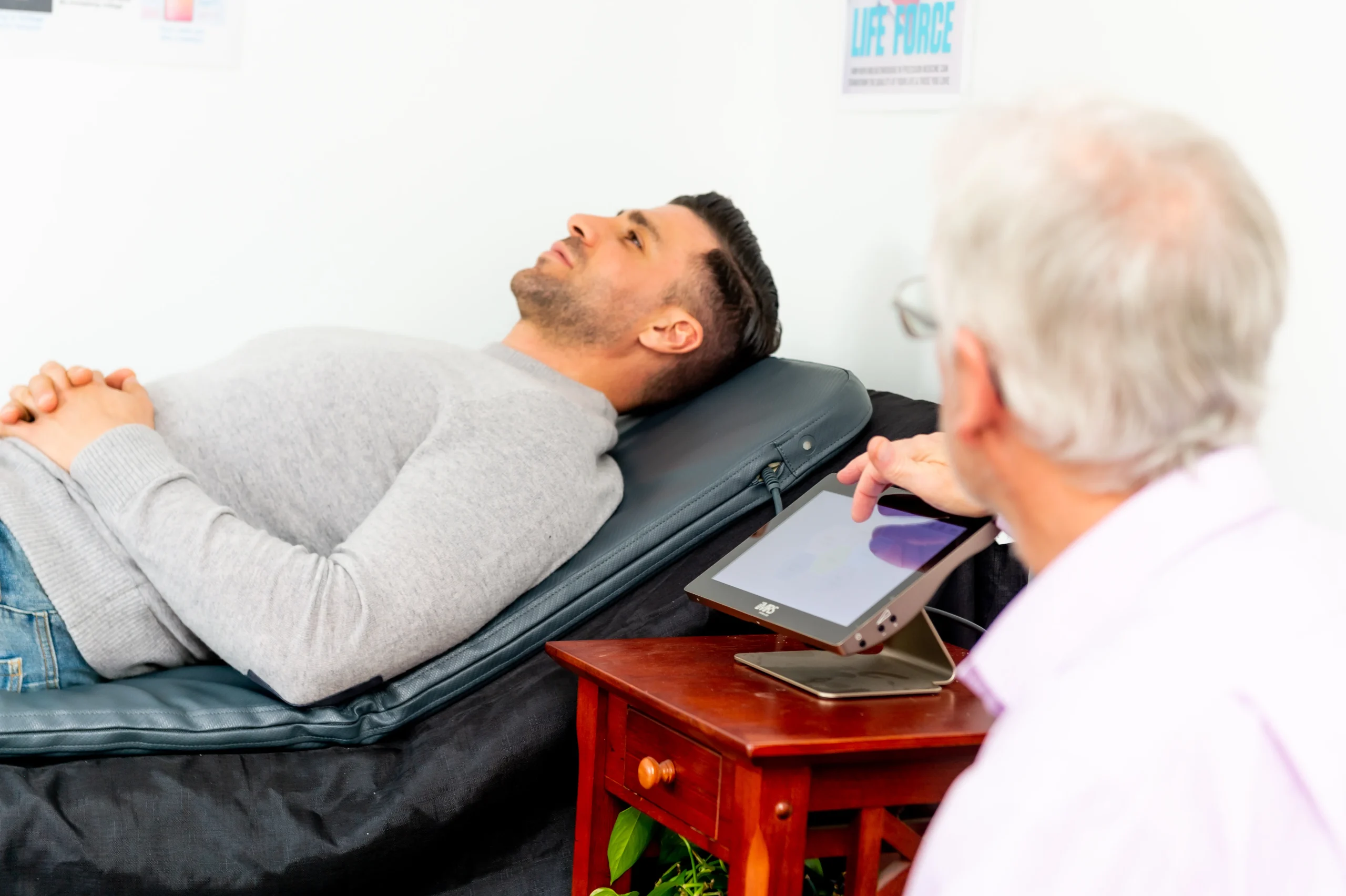
Recovery technology has come a long way from ice baths and compression garments. Today’s athletes, trainers and wellness facilities have access to a wide range of tools, and Pulsed Electromagnetic Field (PEMF) is one of them.
With so many options available, where does PEMF fit in? And why are gyms and training facilities adding it to their recovery offerings?
Key Insights
- PEMF uses low-frequency electromagnetic pulses that induce small currents in the body’s cells.
- Unlike some newer wellness technologies, PEMF has been researched for over 60 years.
- It sits alongside other recovery approaches rather than replacing any of them.
- Both individuals and training facilities use accessible PEMF machines as part of a recovery routine.
- What low-frequency exposure means at a cellular level remains an area of ongoing research.
The Wellness Technology Landscape
The wellness industry has transformed. Now valued at $6.3 trillion and projected to reach $9 trillion by 2028, it is experiencing what industry watchers describe as a split between “hardcare” and “softcare” approaches.
On one side sit high-tech biohacking tools and longevity clinics. On the other, growing demand for simpler and more accessible options. Between them, a lot of technology now offers at-home use without requiring a clinical setting.
Smart devices are integrating automation into everyday routines, from connected fitness equipment adjusting workouts based on biometric feedback to wearables tracking heart rate variability and sleep.
Amid all the new technology, PEMF stands out for an interesting reason: it is not new at all.
PEMF’s Place in Recovery Routines
While many wellness technologies are still building their evidence base, PEMF has been under research and development for over 60 years. That does not settle any question about outcomes, but it does mean there is a substantial body of literature to read.
A PEMF system emits low-frequency electromagnetic pulses that penetrate tissue and induce small currents in cells. What that means for cellular function is an area researchers continue to explore.
For people training regularly, a session tends to be used in practical ways:
- After intense training, to support relaxation and ease everyday tension
- In the evening, to help unwind and prepare for rejuvenating rest
- On rest days, as part of a broader recovery routine
Some users report feeling less stiff and more settled afterwards. Individual experiences vary.
Where It Sits Alongside Other Approaches
A question athletes and gym owners often ask is whether to choose PEMF or something else entirely.
It is not really an either/or. Different approaches work through different mechanisms and suit different preferences and budgets. The sensible approach is to look at each on its own terms, read the research behind it, and decide what fits your routine and your clients.
For training facilities considering PEMF for athletes, it can sit alongside your current equipment rather than replacing it.
Practical Applications for Athletes and Facilities
PEMF systems continue to get smaller, lighter and easier to use, which means home use without visiting a facility.
For individuals, that typically means:
- A short session before training
- A post-workout session as part of a recovery routine
- An evening session as part of a wind-down
For gyms and training facilities, PEMF is a straightforward addition to recovery offerings. Whether purchasing outright or exploring PEMF machine rentals, it gives members another option.
One Tool Among Several
PEMF combines decades of research with practical, non-invasive application, which makes it accessible to people at very different levels of training.
It is best understood as one habit among several. Sleep, nutrition, sensible programming and genuine rest days do the heavy lifting; a PEMF session is an optional addition alongside them.
PEMF is generally considered safe, and some users may experience temporary mild discomfort. Most manufacturers do not recommend it during pregnancy, for people with epilepsy, or for people with battery-operated implanted devices such as pacemakers. If you have any medical condition or take any medication, speak with your doctor first.
If you would like to follow the research yourself, the US National Library of Medicine’s PubMed database is the place to start.
Disclaimer: This device is intended for general wellness and relaxation. It is not intended for the diagnosis, treatment, cure, or prevention of any disease. Individual experiences may vary. This information is for general wellness education only and does not constitute medical advice or guarantee specific results.